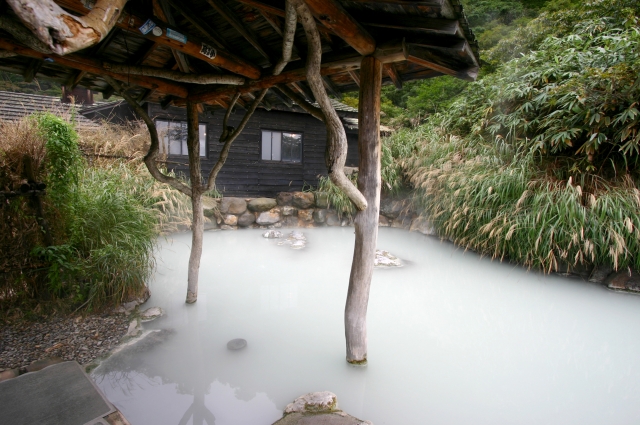
Nyuto Onsen — Akita's Fog-Shrouded Mountain Hot Springs
Deep in Akita's mountains, seven traditional inns cluster around steaming hot springs that locals have bathed in for over 300 years. No queues, no tour buses — just you, the mist, and silence.
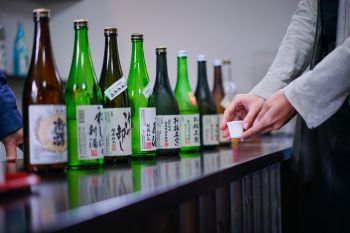
Private Sake Brewery Tour in Niigata — With the Master
Niigata is Japan's rice capital — and its sake is legendary. Several small kura (breweries) accept intimate private visits where the toji (master brewer) walks you through centuries-old techniques over a morning of tasting.
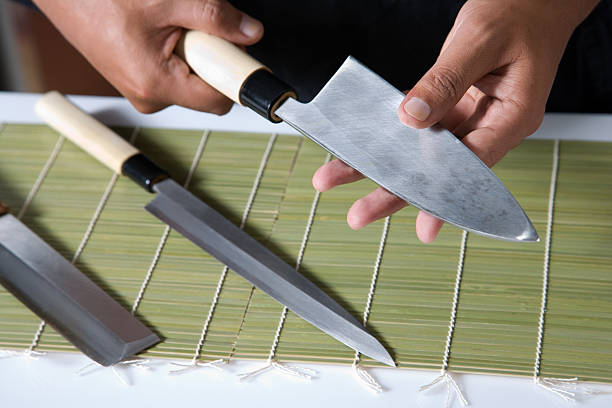
Forge a Japanese Kitchen Knife in Sakai, Osaka
Sakai has been Japan's knife-making capital for 600 years. A handful of master craftsmen now offer half-day sessions where you hammer, grind, and finish your own blade to take home. The experience lasts 3 hours; the knife lasts a lifetime.
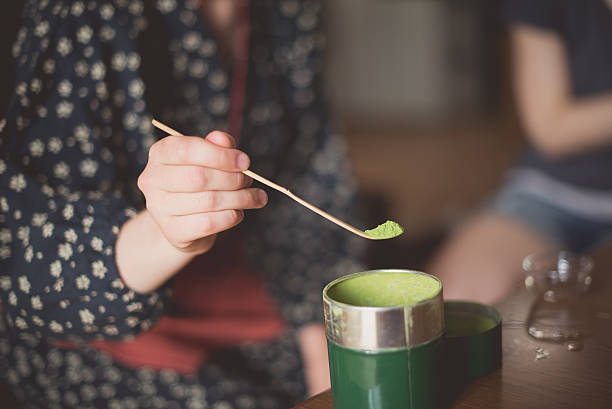
Tea Ceremony Workshop in Kyoto — 茶道
A private tea ceremony in a historic Kyoto machiya teaches more about Japanese aesthetics in 90 minutes than a week of sightseeing. You'll learn to whisk matcha, appreciate the wabi-sabi of the tearoom, and understand the philosophy of ichi-go ichi-e — this moment, only once. Authentic workshops led by licensed tea masters are a world away from the tourist demonstrations at train-station venues.
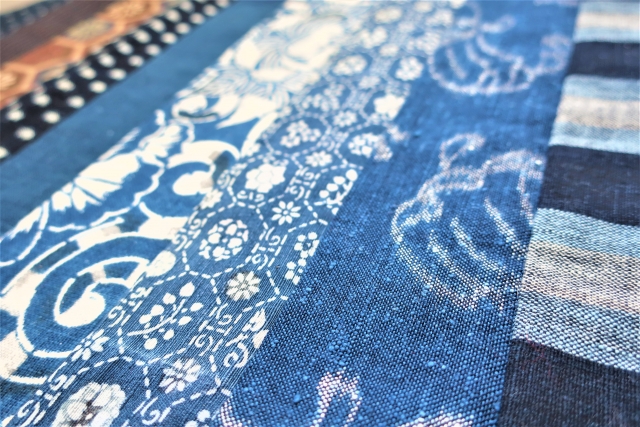
Indigo Dyeing (Aizome) in Tokushima
Tokushima Prefecture has cultivated indigo (ai) for over 400 years, producing a blue so deep and pure it became Japan's most iconic textile tradition. Small-scale workshops allow visitors to hand-dye cotton or silk using fermented indigo vats maintained by master dyers. The process is meditative, the results are permanent, and your dyed furoshiki cloth becomes one of the most meaningful souvenirs you'll carry home.
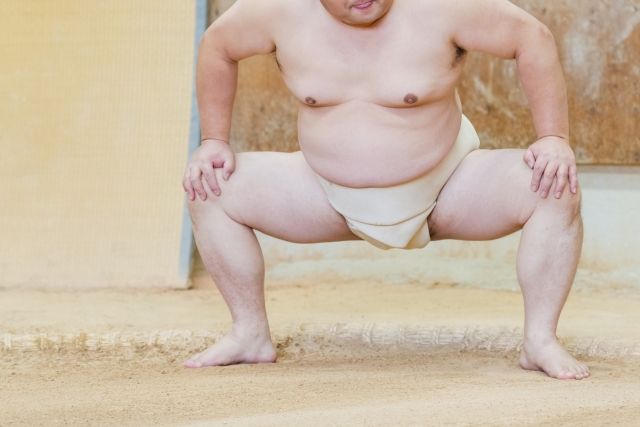
Sumo Morning Practice in Tokyo — 相撲稽古観覧
Tournament tickets for sumo sell out months in advance, but training (keiko) at a Tokyo stable is one of Japan's most extraordinary insider experiences. Seated on a wooden floor at 6am, you watch wrestlers the size of small cars slam into each other repeatedly while senior rikishi bark corrections. No commentary, no crowds — just the raw physicality and discipline of Japan's national sport at its most unfiltered.
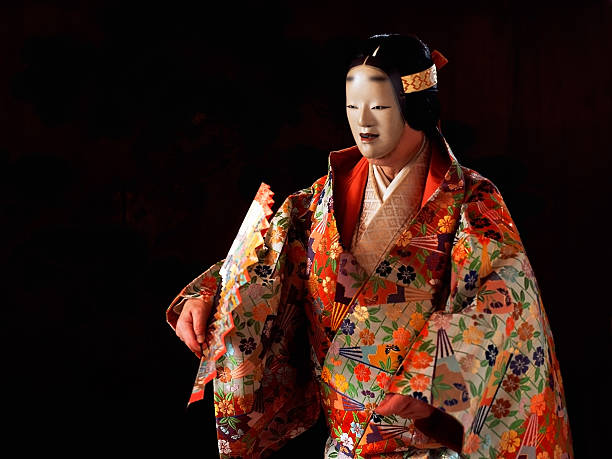
Noh Theatre Performance in Kanazawa
Noh is Japan's oldest surviving theatrical tradition — a masked performance art of such extreme slowness and precision that first-time viewers often feel bewildered, then transformed. Kanazawa, a city that survived World War II intact, has preserved Noh culture more fiercely than anywhere else in Japan. A performance in a traditional Noh theatre here, with a programme note and pre-show explanation, is one of the most genuinely otherworldly cultural experiences available anywhere.
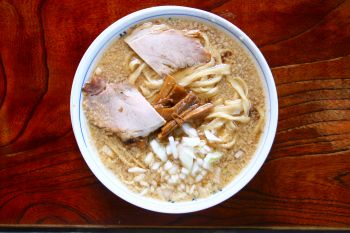
Ramen Making Masterclass, Tokyo
Learning to make ramen from scratch reveals exactly how much work hides inside a ¥900 bowl. A half-day masterclass covers making the broth from tare and dashi, hand-pulling noodles, and assembling the toppings with the precision of a craftsman. The best workshops are run by actual ramen chefs in their kitchen during off-hours — you leave with a recipe, an understanding, and a deep respect for the profession.
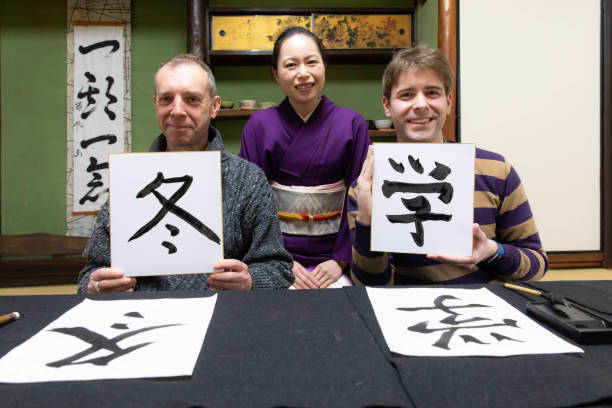
Calligraphy (Shodo) in Kyoto
Japanese calligraphy is not about beautiful handwriting — it is about the cultivation of presence. Brush on rice paper, ink grinding, the silence of a tatami room: shodo demands absolute attention and produces a meditative state that practitioners describe as akin to seated meditation. Even a 90-minute beginner session in Kyoto, taught by a master with decades of practice, produces something — a single character, brushed in your own hand — that is genuinely worth framing.
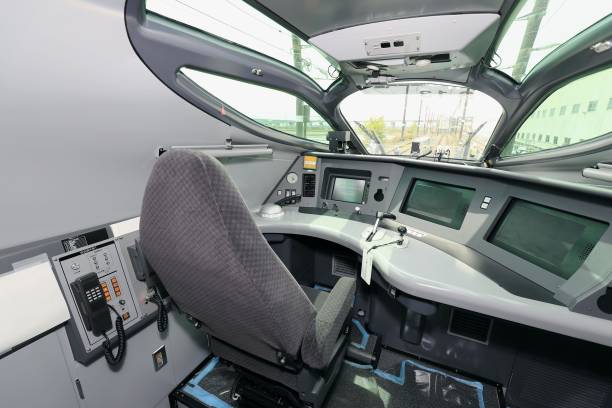
Shinkansen Driver Simulator, Osaka
Japan's bullet train is the world's most precise transportation system — and the simulator experience at the Kyoto Railway Museum lets you pilot a shinkansen cab at 270km/h while stopping within 3cm of your target mark. The Japanese obsession with punctuality and precision is distilled into this one experience. It's joyful, nerdy, and completely unlike anything you can do elsewhere in the world.
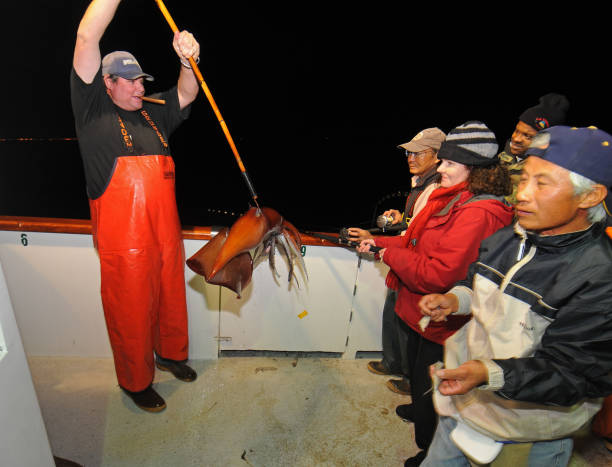
Night Fishing (Squid) in Hokkaido
Hokkaido's squid fishing boats leave harbour at dusk and return before dawn, trailing lines of bright lures through cold northern waters. Joining a local crew for a night of squid jigging — surrounded by nothing but darkness, stars, and the blue lanterns used to attract squid to the surface — is one of Japan's most elemental and least touristic experiences. The catch goes straight to the boat's kitchen for sashimi.
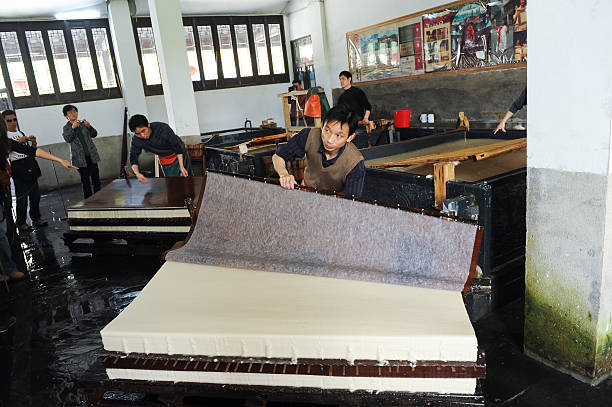
Traditional Papermaking (Washi) in Gifu
UNESCO-listed washi is made from the inner bark of the mulberry tree, and Gifu's Mino city has been producing it for 1,300 years. A half-day workshop teaches you to beat the bark, suspend it in water, and lift the screen — producing a single sheet of paper by hand that carries more texture, soul, and durability than anything a machine can make. The paper you produce in 30 minutes will outlast you.
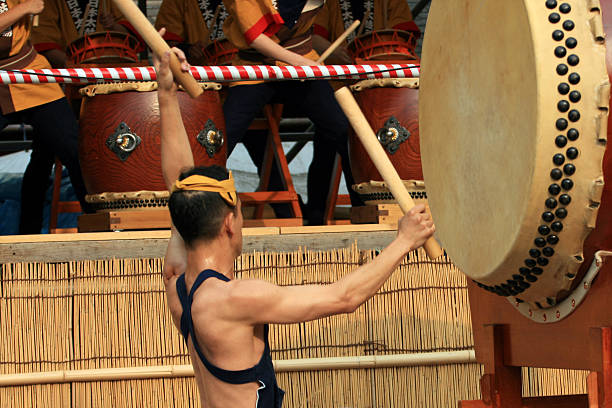
Taiko Drumming Workshop in Kyoto
Taiko drumming is a full-body experience — the deep resonance of a properly struck drum reverberates in your chest and drowns out thought entirely. A two-hour workshop with a taiko sensei in Kyoto teaches basic rhythms, proper striking technique, and ensemble playing. By the end, you'll understand why Japanese communities have gathered around these drums for festivals for a thousand years. It is physically exhausting and completely invigorating.
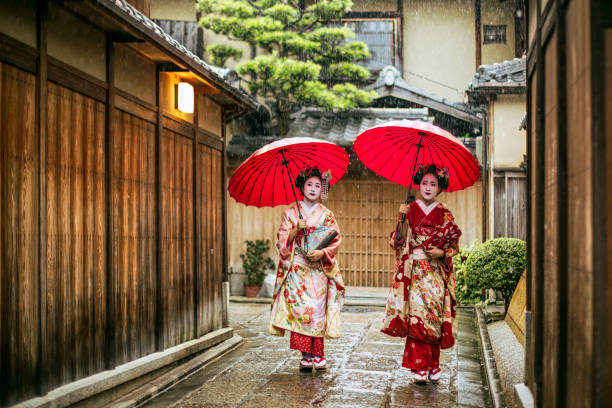
Geisha District Walking Tour, Gion
Kyoto's Gion is one of the last surviving hanamachi — geisha districts — in Japan. A guided walking tour led by a cultural historian separates the real from the theatrical, explaining the economics of the ochaya system, the years of training required to become a maiko, and the code of discretion that has preserved this world. The goal is understanding and respectful observation — not photography or performance.
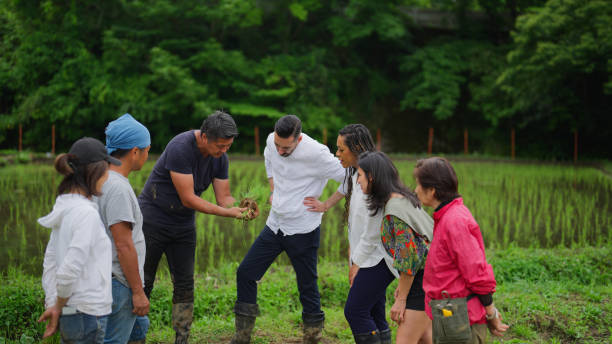
Organic Farm Stay (農家民宿) in Nagano
Nagano's mountain farms offer a Japan that most visitors never see: waking at 5am to harvest vegetables, feeding animals, cooking a breakfast from ingredients grown 50 metres away, and sleeping in a renovated farmhouse as the family's guest. The nōka minshuku (farm lodging) tradition connects Japan's urban visitors to their agricultural roots — and for foreign visitors, it offers an intimacy with rural Japanese life that no city hotel can provide.
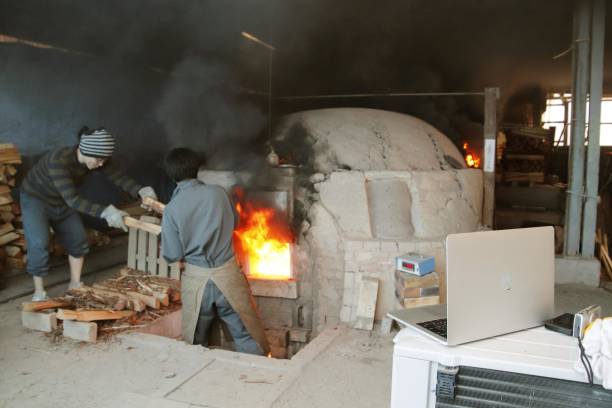
Pottery (Bizen-yaki) in Okayama
Bizen-yaki is Japan's oldest unglazed pottery tradition — fired in anagama wood kilns for over a week, producing pieces whose character comes entirely from the ash and flame rather than glaze. A half-day workshop in the Bizen area with a third-generation ceramicist teaches hand-building or wheel-throwing techniques and immerses you in a creative discipline that connects directly to the Japanese aesthetic of wabi (rustic simplicity). Your fired piece is shipped to you six weeks later.
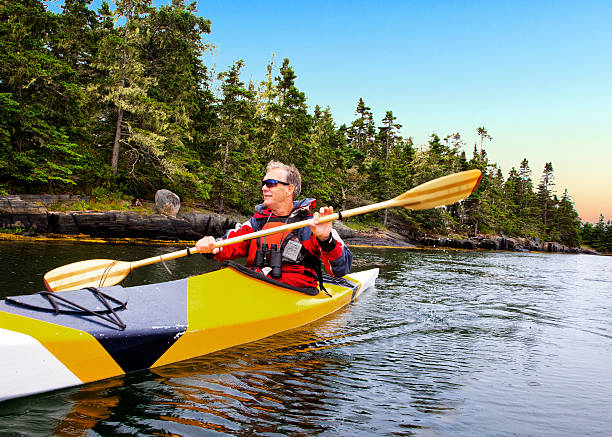
Sea Kayaking around Miyajima Island
Miyajima's floating torii gate is one of Japan's most iconic images — and paddling around it at sunrise, before the tour boats arrive, is one of the best ways to experience it. Sea kayaking tours depart at dawn and circle the island through calm inland sea waters, passing under the torii at high tide. The combination of sacred architecture, mountain backdrop, and silent water makes this one of Japan's most visually extraordinary experiences.
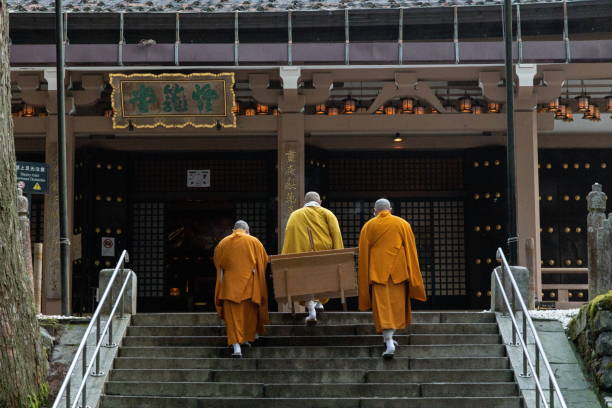
Meditation Retreat at a Buddhist Temple in Koya-san
Koya-san is the headquarters of Shingon Buddhism — a mountain-top temple complex of 117 monasteries accessible only by cable car. Staying in a shukubo (temple lodging) includes early morning meditation sessions, a vegetarian Buddhist breakfast (shojin ryori), and evening fire ceremonies. The Okunoin cemetery — 200,000 grave markers stretching through ancient cryptomeria forest — is walked in silence before dawn. Few experiences in Japan are more profoundly affecting.
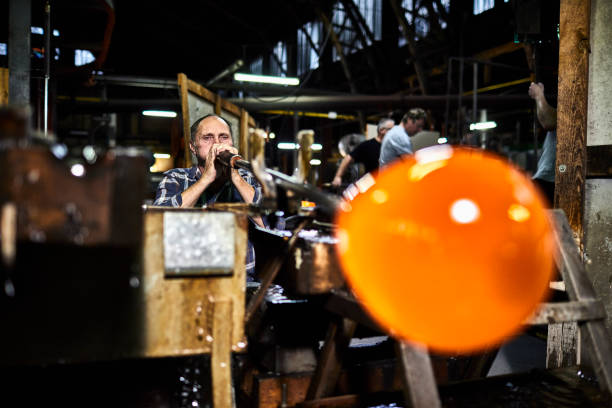
Glass Blowing Workshop in Tokyo
Japan's Edo glass tradition (edo-kiriko) is world-famous for its precision-cut crystal, but glass blowing workshops in Tokyo teach the foundational craft: shaping molten glass at 1,100°C with breath and rod, guided by an instructor who makes it look impossibly easy. Two-hour sessions produce one small vessel to take home. It is technically demanding, unexpectedly beautiful to watch, and completely unlike any other craft experience in Japan.
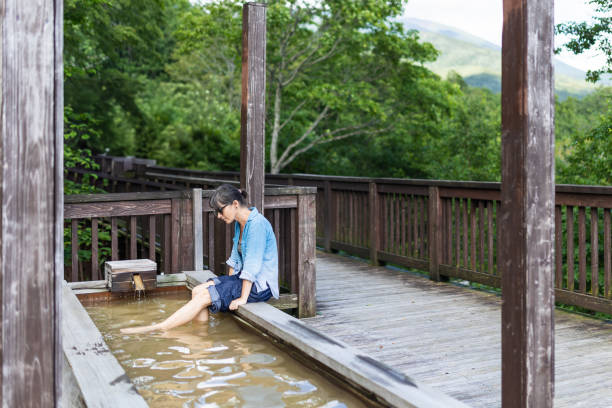
Hot Spring Foot Bath Town Walk (Yuagari) in Beppu
Beppu produces more geothermal hot spring water than anywhere outside Iceland, and the tradition of yuagari — strolling the town in a yukata after a bath, visiting foot baths (ashiyu) and open-air onsen — is one of Japan's most pleasurably unhurried experiences. Free public foot baths are scattered throughout the town; steam rises from street drains; and the whole city smells faintly of sulphur and mineral water. It is Japan at its most deeply, quietly itself.